Foundation repair in Owens Cross Roads, between the ridge and the river bottom
East of Huntsville the ground changes twice in a mile. The ridges below Green Mountain are limestone with a thin cover of clay; the valley around Hampton Cove and toward the Flint River is deep alluvial soil and, in places, karst. A house on one behaves nothing like a house on the other, and the first thing the inspection decides is which ground yours is on.
| Ground | Where in Owens Cross Roads | What it does to a foundation | The usual repair |
|---|---|---|---|
| Limestone ridge, thin clay cover | Slopes below Green Mountain, upper streets of Hampton Cove | Little settlement; water runs off the rock and along the slab; a perched table above the limestone soaks basements and crawl spaces on the downhill side | Drainage first: footing drains, interior drain tile, sump; piers rarely |
| Valley alluvium | The flat of Hampton Cove, toward Highway 431 and the Flint River | Deep soft soil that compresses under a house for years; slab edges drop; crawl space piers sink | Push or helical piers driven deep to a bearing layer; crawl piers on wide footings |
| Karst pockets | Scattered through the valley and the river bottoms | Sudden local settlement over a dissolved void; cracks that appear fast; a depression in the yard | Investigation first, often with an engineer; piers past the void or grouting, by the engineer's design |
The ridge houses are mostly a water problem. Rain falls on the limestone above, moves sideways through the clay cover and comes out at the first thing in its way, which is a basement wall or a crawl space on the slope. Those houses show a damp downhill wall, a sump that runs for a week after every storm, and, if the wall is block, the beginnings of a bow. The repair is to take the water off: downspouts routed around the house, a drain at the uphill footing, interior drain tile and a sump with battery backup for the basement, and carbon-fiber straps or anchors for a wall that has already moved. Piers are rare on the ridge because the rock is right there and the house is sitting on it.
The valley is the opposite. The alluvium is deep and soft and a house on it keeps settling, slowly, for longer than a house on the county's upland clay. A slab edge drops; crawl space piers sink into the dirt; a brick corner shows a stair-step crack that is wider at the top. The inspection measures it with the laser and tells you whether it is still going, and the fix is piers driven deeper than usual, sometimes well past twenty feet, to a layer that will refuse them, or helical piers screwed to a torque that proves they are bearing. The logs show the depth at every pier, and they are in the report.
Karst is the thing people worry about, and the honest answer is that it is uncommon, it is real, and it needs an engineer. If the inspection finds settlement that is fast, local and paired with a depression in the yard, we say so and stop; the next call is a geotechnical or structural engineer, and any piers or grouting are built to their design with us doing the work. Owens Cross Roads is its own town for permits, and Hampton Cove sits partly inside Huntsville's limits, so the crew confirms which building office applies to your address before filing; Alabama 811 marks the ground before any excavation, and pier jobs carry the contractor's HBLB number on the sheet.
How a Owens Cross Roads job runs
Ridge or valley, decided first
The inspection places the house on limestone, on alluvium or near a karst feature, because the right repair is different for each.
Water off the ridge houses
Uphill footing drains, interior drain tile, sumps with battery backup and wall reinforcement for the basements below Green Mountain.
Deep piers in the valley
Push piers driven past the soft alluvium to refusal, or helicals to a proving torque, with depth logs for every pier in the report.
Karst handled with an engineer
Fast, local settlement with a yard depression is reported and referred; piers or grouting are built to the engineer's design, not guessed.
Right office, right permit
The town of Owens Cross Roads or the City of Huntsville, depending on the address; the crew confirms before filing and calls Alabama 811.
Post-storm checks
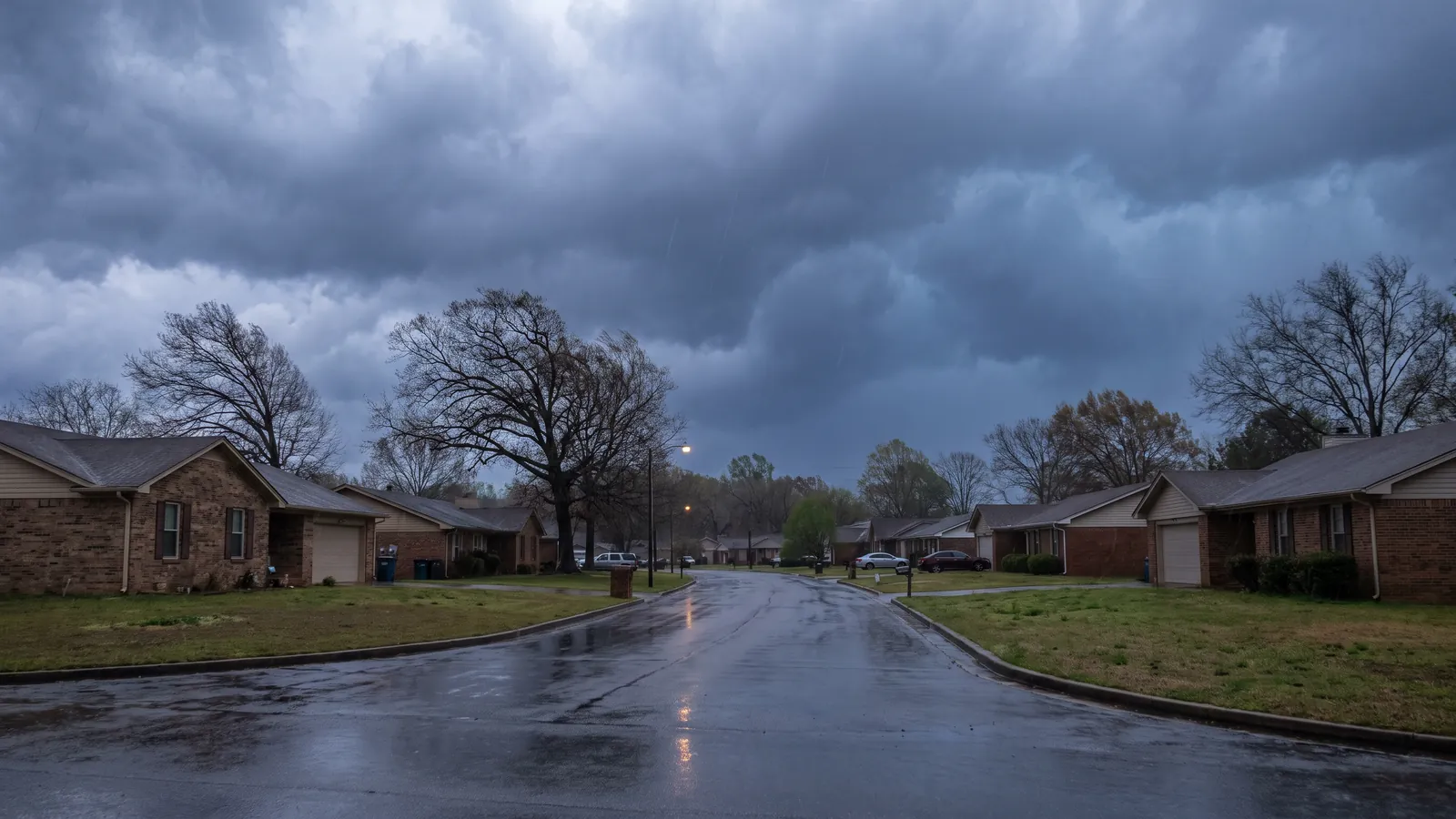
Free inspections after severe weather for houses on the slope that took runoff or on the flat that stood in water.
Streets, subdivisions and landmarks we reach
- Hampton Cove, the flat and the upper streets
- Slopes below Green Mountain and Cecil Ashburn Drive
- Homes along Highway 431 toward Big Cove
- The older houses around Owens Cross Roads town center
- Lots toward the Flint River and Hays Nature Preserve
What we repair in Owens Cross Roads
- Settled foundations put back on bearing with piers under slabs or new piers in the crawl space, and leveling to a measured target
- Cracks gauged and sealed with the right resin, bowing walls held with straps or anchors
- Basement waterproofing, sump pumps with battery backup, French drains and downspout work
- Crawl space encapsulation, free inspections before a purchase or after a storm, and commercial slabs
What Owens Cross Roads owners ask first
Is Hampton Cove prone to sinkholes?
The valley has karst in places, which is limestone dissolved into voids beneath the soil. Most houses never see it. When it does act, settlement is fast and local and there is often a dip in the yard. We will tell you if the inspection suggests it, and that is the point to bring in a geotechnical engineer before anyone drives a pier.
My basement on the slope gets water after every storm. Why?
The limestone above you sheds rain sideways through the clay cover, and your basement wall is the first thing in its way. The fix is to collect it before the wall, with an uphill footing drain and interior drain tile to a sump, and to route the downspouts away. Piers are not the answer on the ridge.
How deep do piers go in the valley?
Deeper than on the county's upland clay, sometimes past twenty feet, until the pier reaches a layer that refuses it or a helical reaches its proving torque. The depth at every pier is logged and in the report, and it is what decides the price.
Which building office do I deal with?
It depends on the address. Owens Cross Roads is its own town; parts of Hampton Cove are inside the City of Huntsville. The crew confirms which applies before filing the permit, and it is on the sheet.
Should I have the house checked after a big storm?
If water stood against it or runoff came down the slope, yes, two or three weeks later once the ground has dried. The inspection is free and the report gives you a baseline either way.
Also close by: Meridianville · Madison · Decatur · every town we cover