A French drain moves the water the clay will not take, and it goes in after the cheap fixes
Red clay drains slowly and the county gets fifty-five inches of rain a year, so a yard that slopes toward the house keeps water against the footing for days after a storm. The order of fixes is downspouts, grade, then pipe. A trench full of gravel is the right answer often enough, and it is also the answer people buy when a longer downspout would have done.
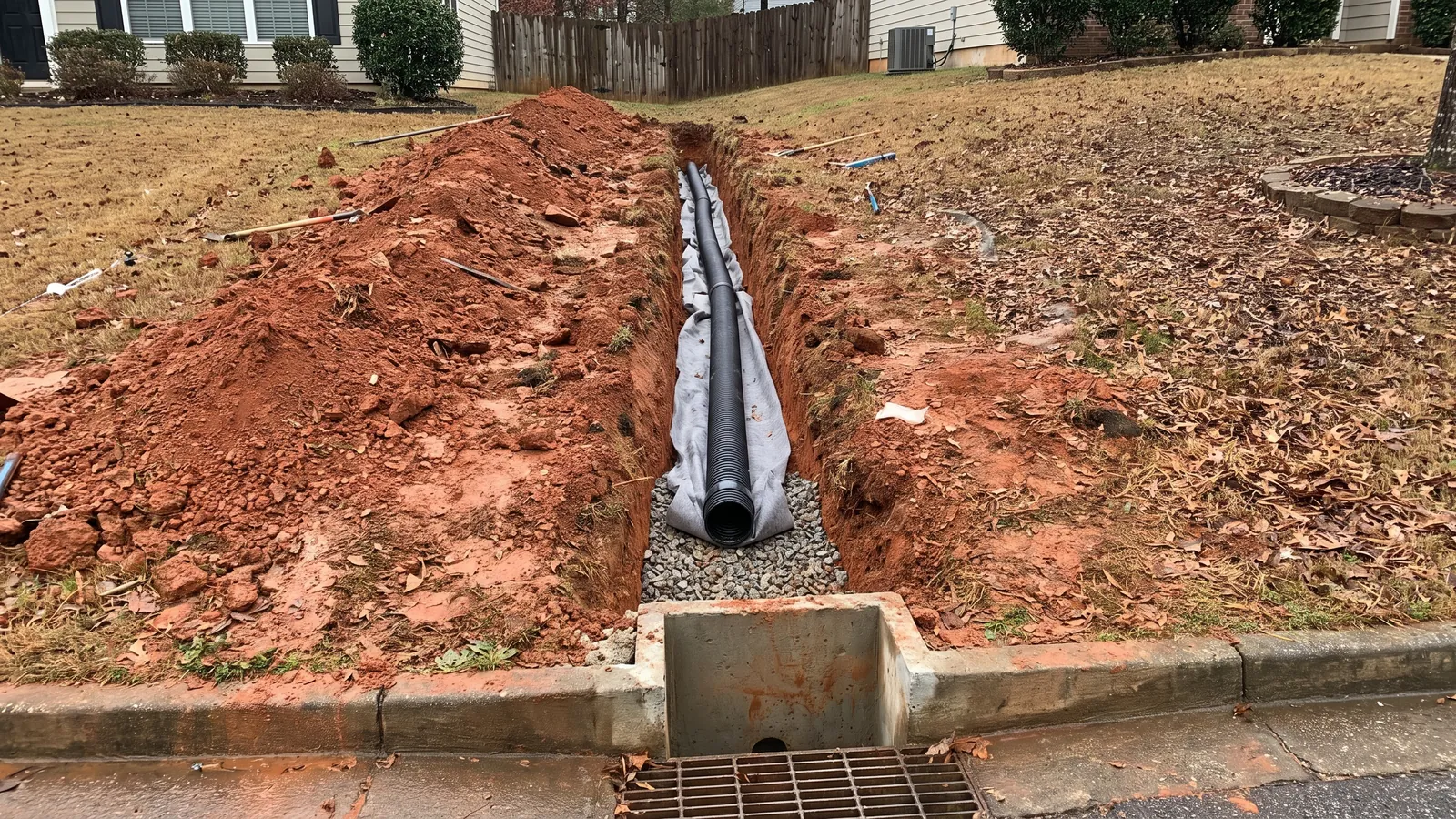
Start with what a French drain is, because the name gets used for three different things. A yard drain is a trench on a slope, a foot or more deep, lined with fabric, with perforated pipe laid on gravel and the trench filled with more gravel; water in the soil enters the pipe and runs by gravity to a low point. A footing drain is the same pipe laid at the outside base of the foundation wall, below the slab or basement floor, which is a bigger dig and belongs to exterior waterproofing. A catch basin is a grated box set in the lawn or at a downspout that takes surface water into a solid pipe. Most Huntsville yards that hold water want some combination of the first and the third, and the inspection draws which.
Before any of them, two cheaper things. First, the downspouts: a gutter on a thirty-foot roof section dumps hundreds of gallons at the footing in a hard rain, and on clay that water sits. Extending each downspout ten feet out in solid pipe to daylight or to a pop-up emitter is the single most effective drainage fix on most houses here, and it is on nearly every sheet we write. Second, the grade: the first six feet from the wall should fall at least six inches, and on a lot of 1970s and 1980s subdivisions it rises instead, because beds were built up against the brick for thirty years. Regrading that strip is a few hours with a rake and a load of topsoil. Pipe comes after those, for the water that is still there.
Where it is needed, the trench is cut on a steady fall of at least one percent, a swale across the low side of a yard, a line along a wall that catches a neighbor's runoff, a run under a walk. The pipe is perforated, wrapped in a sock or laid in a fabric-lined trench so the clay fines do not fill it, set in three-quarter-inch washed stone, and brought to an outlet that drains: a daylight end on a slope, a curb cut where the city allows it, or a dry well where nothing else is possible, which on clay is a last resort. Catch basins go at the spots that pond. The trench is backfilled to the sod line and the lawn relaid; on a good job the only sign a month later is a strip of greener grass.
Trenching is digging, so Alabama 811 is called two business days before the shovel goes in and the utilities are marked; gas and cable run shallow in a lot of these yards. A yard drain usually needs no City of Huntsville permit. A drain that ties into the city storm system, or crosses the right of way to a curb, does, and the sheet says so. Nothing on this page needs an HBLB licence on its own; where a drain is part of a pier or wall job that crosses $10,000, the contractor's number is on that sheet.
What this work includes
Downspouts and grade first
Each downspout extended to daylight or a pop-up, the first six feet regraded to fall away from the wall, before any pipe is priced.
Trenches on a real fall
At least one percent slope end to end, confirmed with a level, so the pipe drains instead of holding water and silting up.
Fabric, sock and washed stone
Perforated pipe in a sock or a fabric-lined trench on three-quarter-inch stone, so the clay fines stay out and the pipe stays open.
Catch basins where it ponds
Grated basins at the low spots and at downspouts that cannot be extended, on solid pipe to the same outlet.
An outlet that works
Daylight on a slope, a permitted curb cut, or a dry well only where nothing else is possible; the report shows where the water will come out.
811 before the shovel
Alabama 811 locates called two business days ahead, lines marked, and the trench routed around them; lawn relaid when it is done.
French drain installation prices in Huntsville, AL
| Item | 2026 range | What changes it |
|---|---|---|
| Drainage inspection with a sketch | $0 | Free; where the water sits and where it should go |
| Downspout extension to daylight, buried | $180 – $420 | Each, solid pipe, 10–25 ft |
| Regrade the first six feet, per side | $350 – $900 | Topsoil, compaction, seed or sod |
| French drain, yard, per linear foot | $28 – $55 | Depth, stone, access for the trencher |
| Typical 60 ft swale drain with outlet | $2,200 – $4,200 | Includes fabric, pipe, stone, relaid sod |
| Catch basin with solid pipe run | $450 – $950 | Each, tied to the drain outlet |
| Curb outlet or core through a curb | $300 – $700 | Where the city allows it; permit on the sheet |
| Dry well, clay soils | $900 – $2,200 | Last resort; sized to the inflow |
These are 2026 Huntsville-area ranges meant for budgeting, not quotes. The technician measures first and prices the job on site, each item on its own line; nothing is dug, injected or lifted until you have agreed to the sheet, and the sheet holds for 30 days.
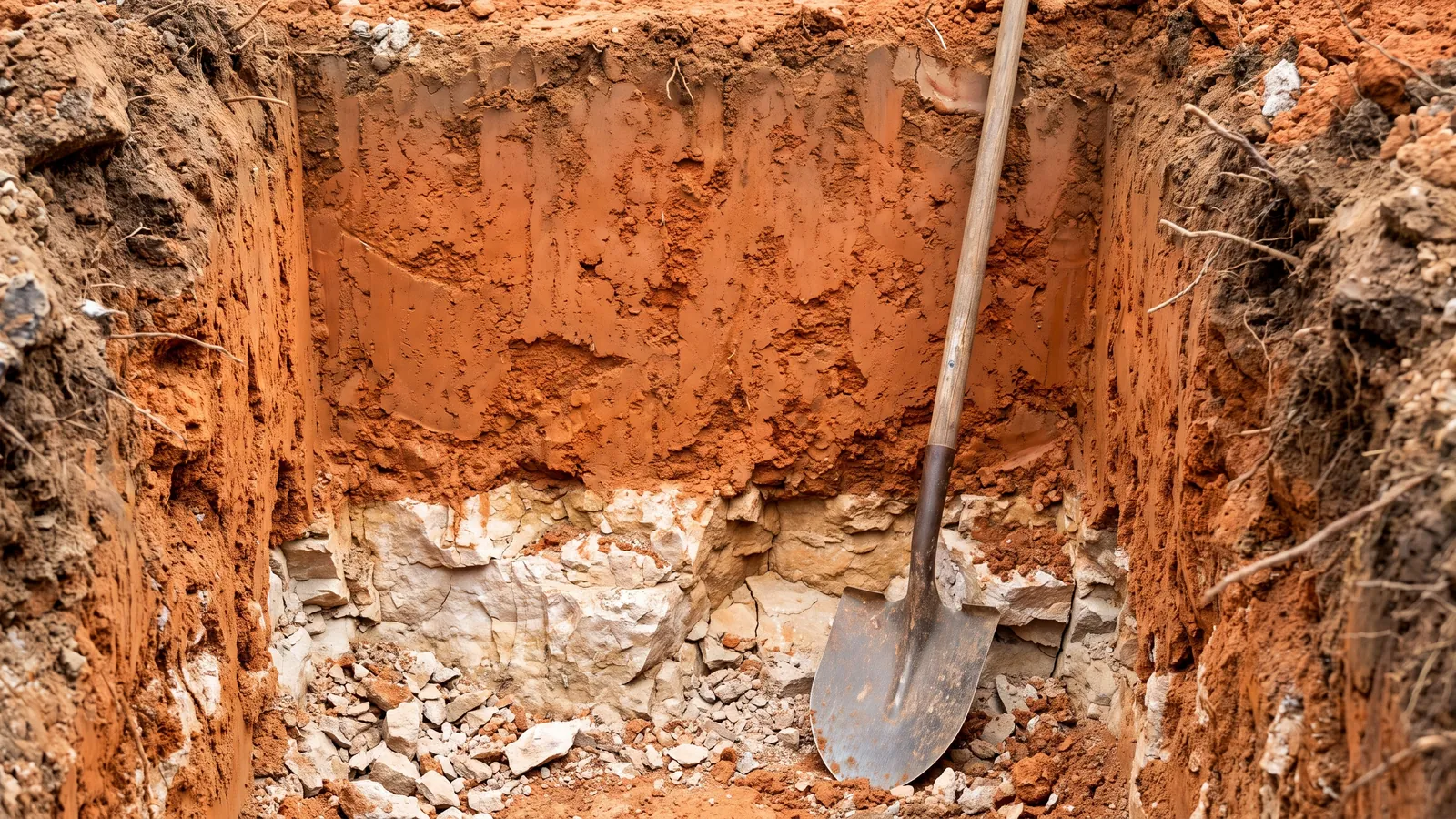
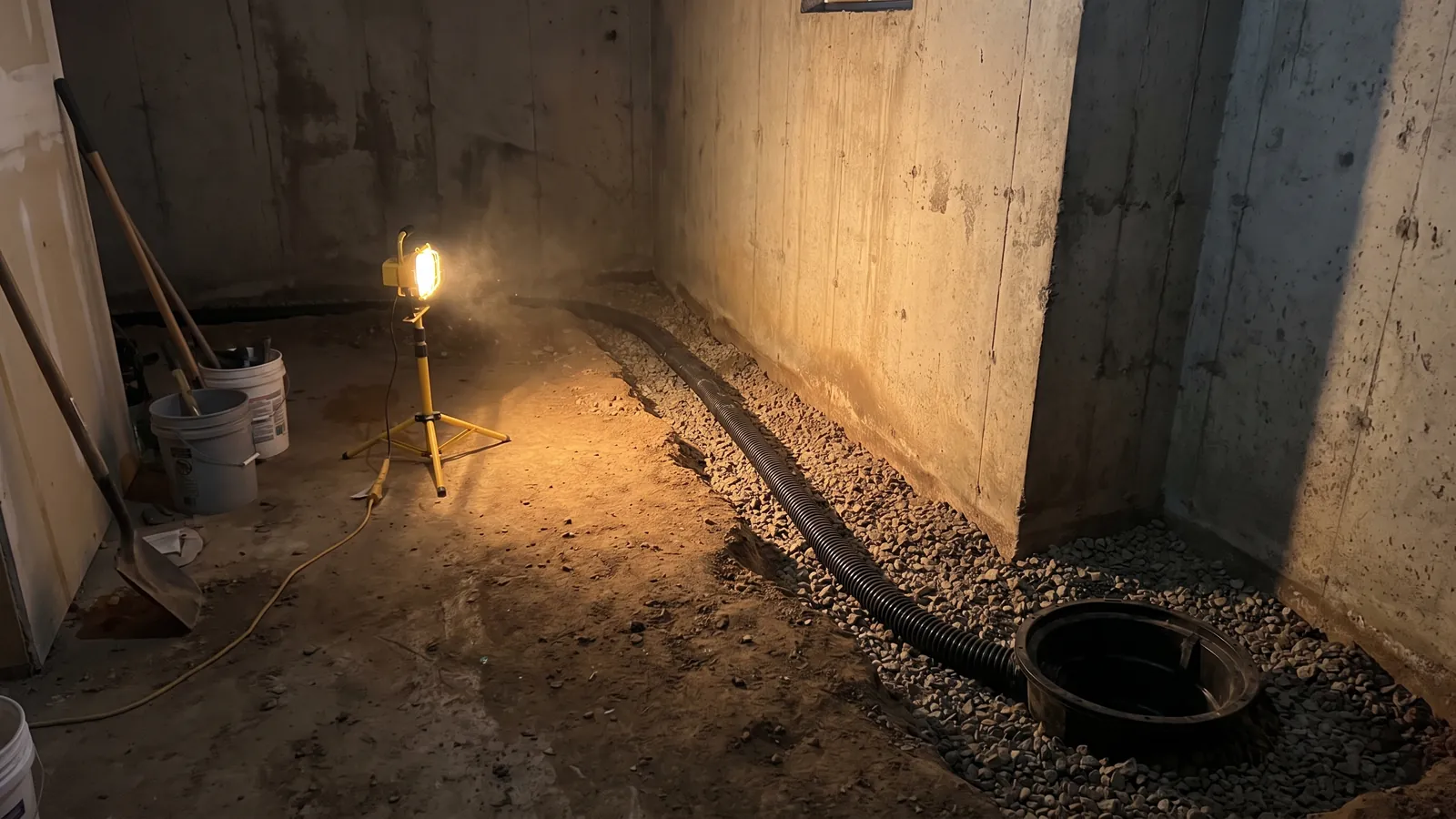
From recent jobs
Questions about french drain installation
Will a French drain stop water in my basement?
A yard drain lowers the water in the soil around the house and often helps, but it is not a waterproofing system. If water is coming through the wall or up at the floor joint, the fix is interior drain tile or an exterior membrane, with the yard drain as a supporting piece.
Why do you push downspout extensions so hard?
Because they solve a large share of the wet corners in this county for a few hundred dollars. A gutter concentrates the roof's water at four or five points, and on clay those points stay wet. Moving the water ten feet out usually changes everything, and we would rather you spend on pipe only if that does not.
How deep is the trench?
Twelve to eighteen inches for a yard drain, deeper on the uphill end so the pipe falls. A footing drain is a different job, down to the bottom of the foundation, and is priced under waterproofing.
Where does the water go?
Somewhere lower that drains: the slope at the back of the lot, a swale, a permitted curb outlet. It never goes onto a neighbor's lot or into a footing drain. The inspection sketch shows the outlet before you agree to anything.
Will it ruin the lawn?
For a few weeks there is a strip of fresh sod or seed where the trench was. Done properly the strip is slightly greener than the rest by midsummer because it drains, which is the point.
Do I need a permit or 811 for this?
811 always; the crew calls it and waits for the marks. A permit from City of Huntsville Building Services only if the drain ties into the storm system or crosses the right of way, and the sheet says when that applies.